

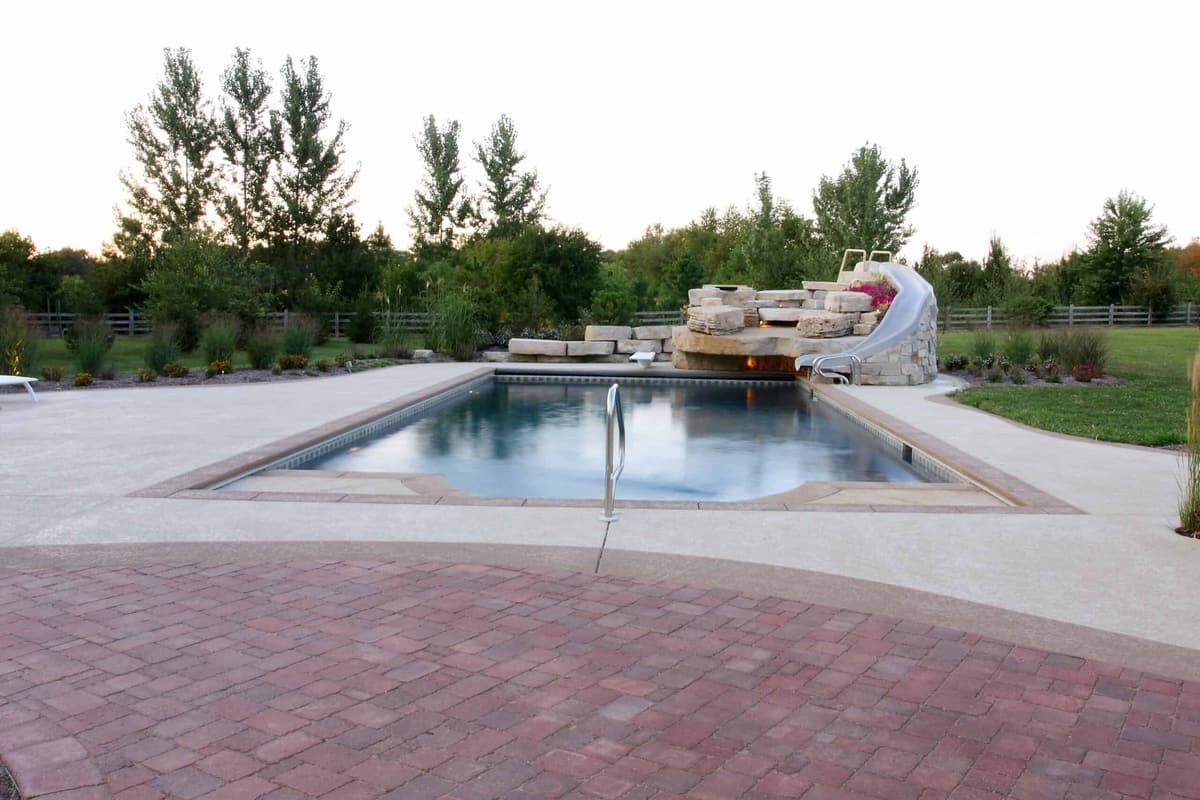
The pool shape matters. The floor and entry matter more.
A pool can look beautiful from above and still feel wrong in daily use. This guide explains common pool bottom types, entry step styles, benches, tanning ledges, vinyl-over-step options, and what to review before finalizing a design.
Family-owned since 1976 · 900+ pool projects · Licensed & insured
Shapes & Sizes
Explore by decision.
This page is educational. Final options depend on site conditions, local code, access, budget, pool type, manufacturer availability, and construction review.
Shapes & Sizes
Build a starting pool configuration.
Select the priorities that best match your household. The tool creates a planning summary and a practical starting recommendation for the Aquarius design team.
Pool construction type
How the pool will be used most
Preferred floor profile
Entry and shallow-water priority
Automatic-cover priority
Plan around real use.
Selections are planning preferences—not construction approval. Aquarius will verify dimensions, engineering, code, site conditions, manufacturer availability, and pricing.
Shapes & Sizes
The pool type changes the option path.
Fiberglass, vinyl liner, and gunite pools all support steps, benches, and different depth profiles, but the way those options are selected is different. Start with the construction type, then choose the floor and entry details.
01
Fiberglass pools
The bottom, steps, benches, and ledges are usually built into the selected shell model. The benefit is a clean, factory-designed layout. The tradeoff is that the customer chooses from available models rather than fully custom geometry.
- Fastest option selection path.
- Built-in features vary by model.
- Excellent for clients who want a defined, proven design.
02
Vinyl liner pools
Vinyl liner pools offer a flexible path for shapes, step systems, liner patterns, benches, tanning ledges, and bottom profiles. Vinyl-over steps can make the interior look more seamless, but measurement and liner fit matter.
- Flexible bottom and step planning.
- Vinyl-over steps can create a custom finished look.
- Liner, tread, and step geometry must be coordinated.
03
Gunite pools
Gunite offers the most freedom for shape, shelves, benches, spas, custom floor profiles, and architectural step design. It also needs the clearest scope, engineering, and budget conversation.
- Highest custom freedom.
- Integrated spa, ledge, bench, and step design.
- More scope variables and budget sensitivity.
Shapes & Sizes
The pool floor is designed from the top down.
These are the pool bottom layouts homeowners usually struggle to visualize. The drawings below show the floor plan from above: where the shallow end begins, how the slope transitions, and where the deepest section sits.
Standard hopper bottom
The classic shallow-to-deep pool floor. It typically has a shallow end, a slope down into a deeper hopper, and angled slopes around the deep-end floor.
Wedge bottom
A gradual slope that moves from shallow to deep without a large flat hopper. It can feel smooth and simple, especially for homeowners who do not need a dramatic deep end.
Sport bottom
Shallow on both ends with the deeper section in the middle. This is one of the most practical family layouts when the goal is volleyball, games, and people standing comfortably.
Play bottom
A less aggressive version of a sport-style floor. The pool slopes from both ends toward a deeper middle, but usually keeps more of the pool usable for everyday play.
Flat bottom
One consistent depth across the pool. Flat bottoms are often easier to understand, easier to stand in, and practical when the pool is for kids, games, and social use.
Deep flat / coved flat bottom
A deeper flat floor created by sloping or coving away from the walls before reaching the main flat depth. It can feel deeper while still keeping a defined floor area.
Shapes & Sizes
The entry changes safety, comfort, and first impression.
Steps are not just how people enter the pool. They influence shallow-end space, furniture placement, cover planning, benches, handrails, visual style, and how the pool feels to older adults, kids, and guests.
Straight / full-width steps
Simple, broad entry across a shallow side. Works well with rectangular pools and clients who want easy access and a clean layout.
Corner steps
Entry tucked into a 90-degree corner. Useful when the pool should preserve as much open swim area as possible.
Radius steps
Curved steps that fit rounded, freeform, lagoon, or kidney-style pool edges better than a straight step package.
Wedding-cake steps
Curved or tiered corner steps that add a softer, traditional look while creating a natural entry and shallow seating zone.
Vinyl-over steps
The liner continues over the step structure so the step area visually matches the pool interior instead of using a separate molded color.
Molded steps
Preformed acrylic, fiberglass, or thermoplastic-style steps can provide a defined tread surface and a more budget-controlled entry path.
Side bench
A submerged seating area along a wall where people can rest, supervise, talk, or cool off without leaving the water.
Swim-out bench
A bench or swimout near deeper water that gives swimmers a resting point and improves comfort in the deep-end zone.
Tanning ledge / baja shelf
A shallow shelf for lounge chairs, kids, pets, or sitting in a few inches of water. It adds comfort but reduces open swim area.
Shapes & Sizes
The seamless look requires more precise planning.
Vinyl-over steps create a continuous liner-covered surface across the step area. They can look more custom than separate molded steps, but the step geometry, liner pattern, measurements, tread texture, and handrail details need to be coordinated.
Why homeowners like it
The step visually matches the pool interior. This can make a vinyl liner pool feel more finished and less like the step was added separately.
- Continuous liner appearance.
- Works with straight, corner, radius, and bench concepts.
- Good fit for custom-looking vinyl liner projects.
Why measurement matters
The liner is produced to follow the step structure, risers, corners, and wall conditions. Accurate measurements support a tailored appearance and dependable long-term performance.
- Step dimensions should be confirmed before ordering.
- Renovations may require draining and inspection.
- Handrail and anchor needs should be planned early.
What to discuss first
Furniture, pets, bubblers, handrails, ledge depth, and cover goals can all change whether a vinyl-over step or ledge is the right choice.
- Ask how the shelf will be used.
- Discuss textured tread areas.
- Confirm cover and rail compatibility.
Shapes & Sizes
What to review before selecting a floor or step package.
The bottom profile and step package should be reviewed together. A large shallow ledge, a deep hopper, or a complex vinyl-over step can change cost, construction details, and usable water space.
Questions
The best pool is designed around how people will actually use it.
Once a customer understands the floor and entry options, the next step is reviewing site access, setbacks, grading, drainage, equipment location, budget, timing, cover goals, and pool type fit.
Aquarius Pools & Spas · 523 S Earl Ave · Lafayette, Indiana
Ready to plan?
Pools
Keep exploring pools.
Pools
Features & options
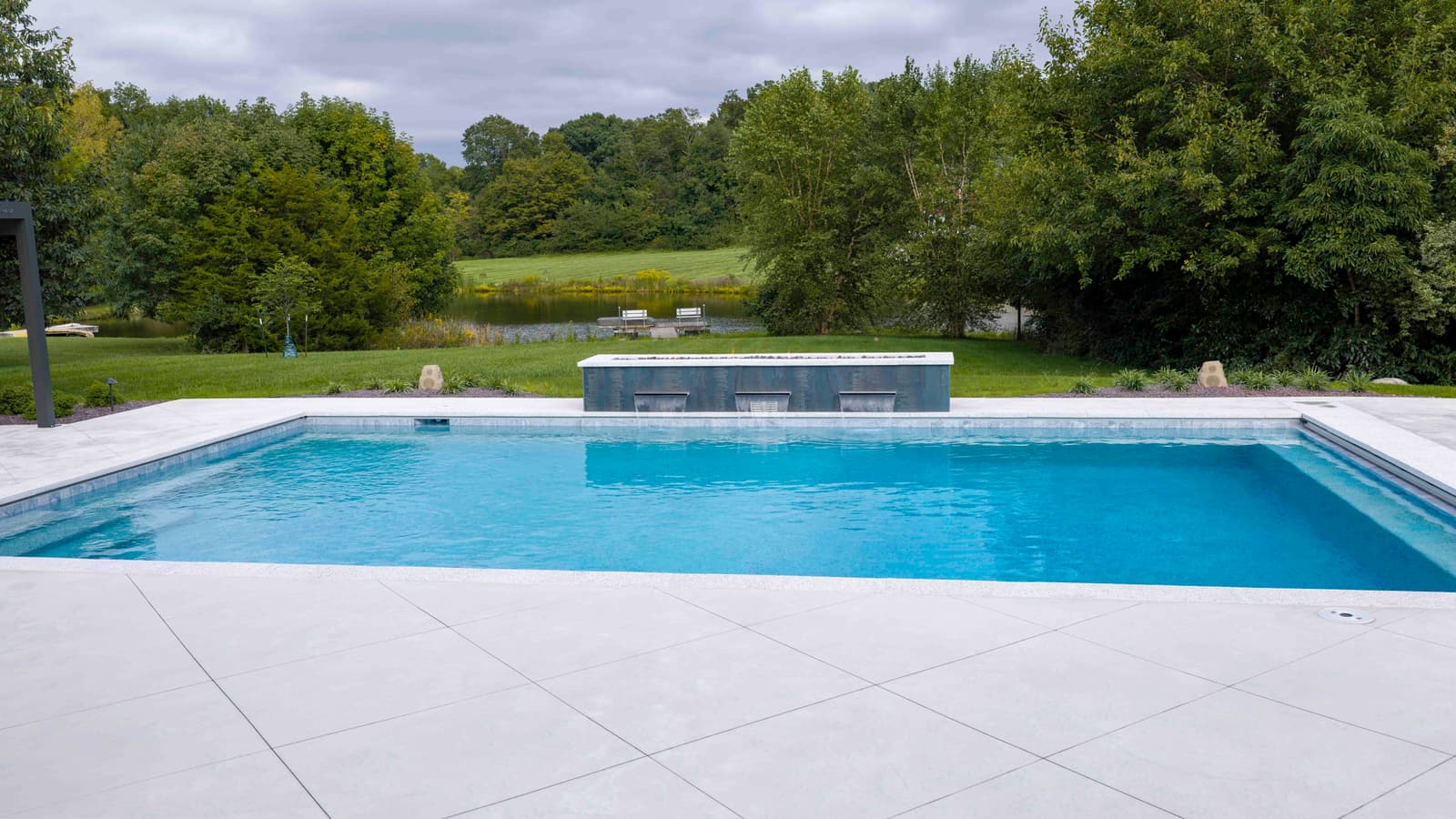
A premium pool is more than the shell. Explore the upgrades that shape how the space looks, feels, and…
Pools
Pool tile
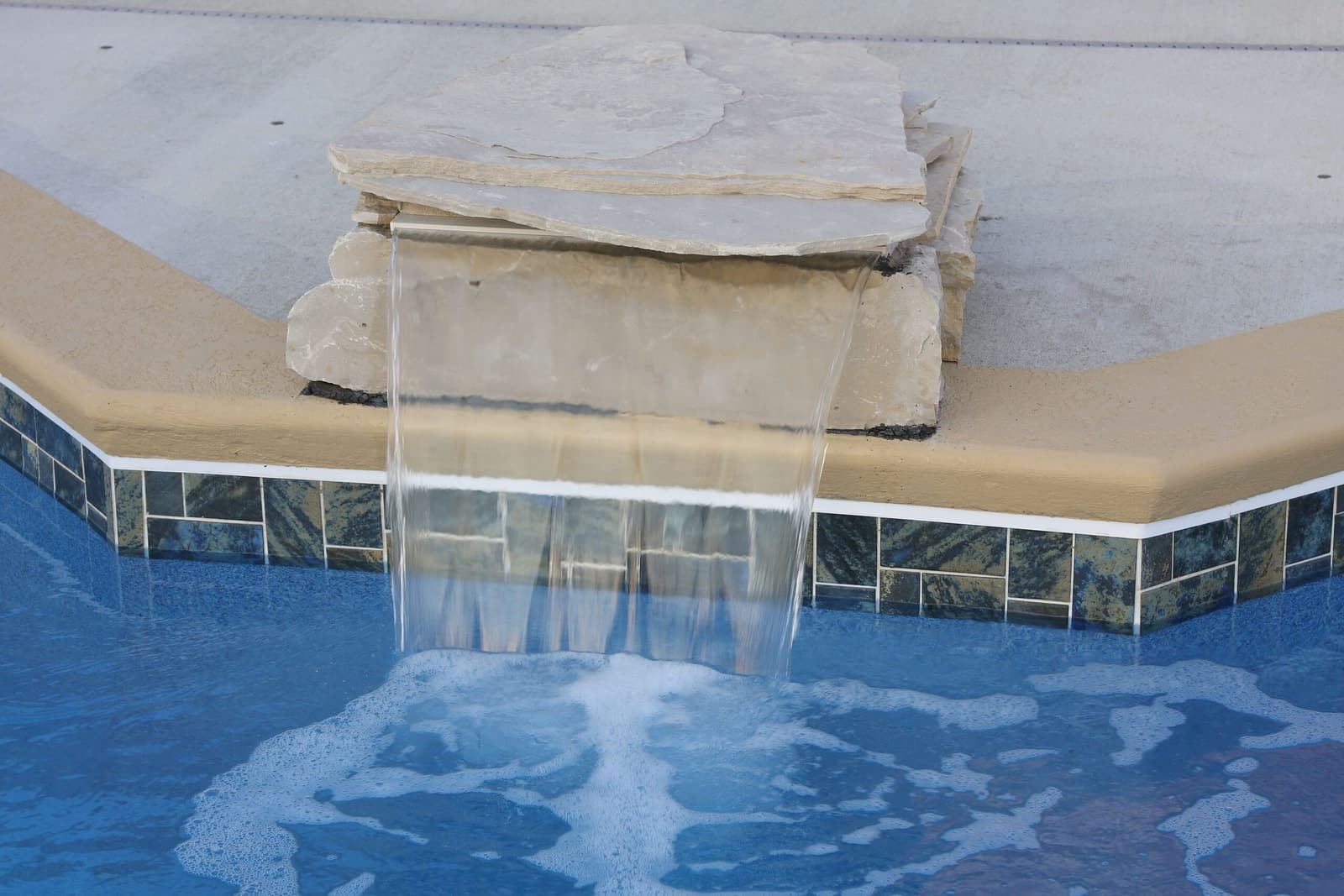
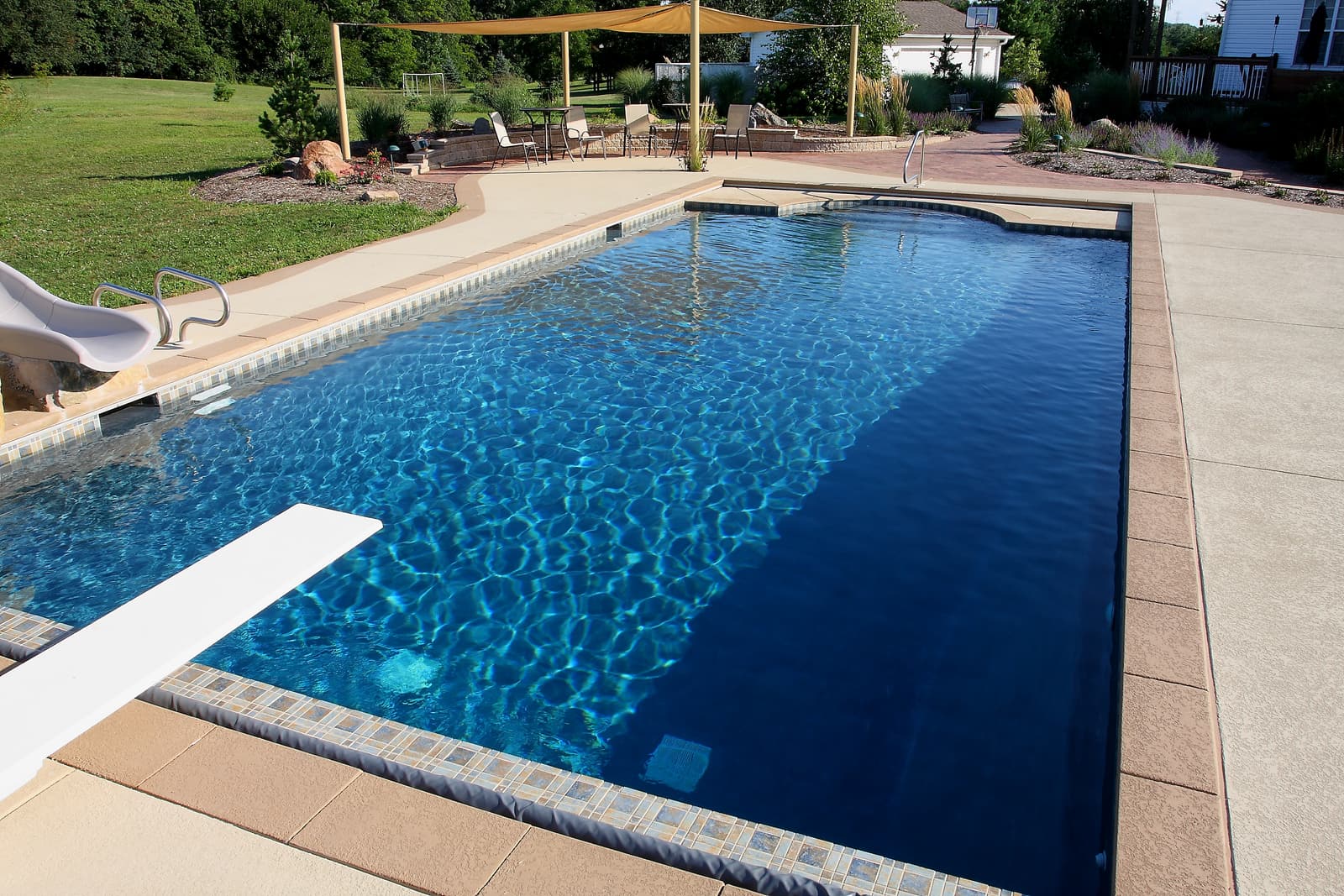
From understated waterlines to a statement spa wall, tile is one of the details that makes a custom pool…
Next step
Request your project planning range
Free consultationNo obligationWritten scope before you commit
Prefer to talk? Call (765) 447-7982
Highly recommend them
“They installed my pool 6 years ago. Every pool is going to be a challenge, keeping the chemistry right, keeping the equipment working, etc. Their service has been great throughout the years. If there’s a problem they address it quickly. Also, We have used their more expensive chemicals as…”
- Since 1976Family-owned in Lafayette
- 900+Pool projects
- AuthorizedSundance® dealer
- Showroom523 S Earl Ave